


Have you ever felt that just a few hours after washing your hair, it's already flat, greasy, and looking dull again? Oily hair is not just a cosmetic issue that makes styling difficult — it's also a warning signal for scalp health that could progress into dandruff and hair loss in the future. This article will help you clearly understand: What is oily hair, what causes it, what problems does it lead to, how should it be managed, and how do you choose a shampoo for oily hair?
How many hair types are there?
First of all, knowing your own hair type will help you choose the right products and care methods for your hair and scalp. In general, hair types are divided into 4 main categories:
- Dry hair Lacks moisture, frizzy, prone to split ends
- I have it. Scalp gets oily quickly, hair goes flat easily
- Normal hair Balanced — not oily quickly, not overly dry
- Mixed hair Oily at the roots, but dry at the ends
What is considered "oily hair"?
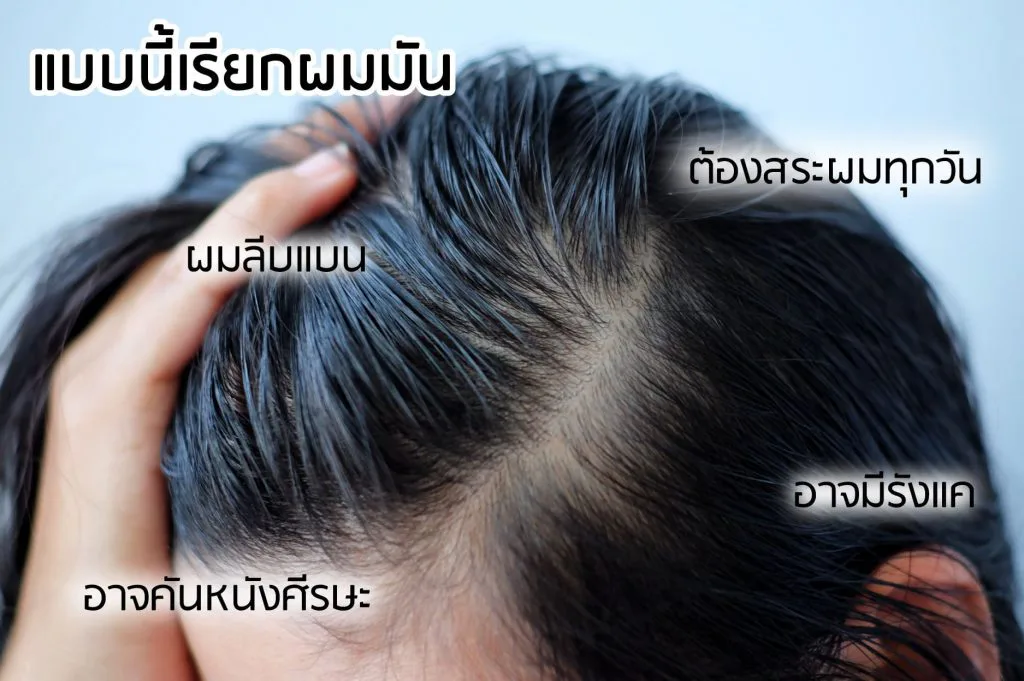
Oily Hair is a condition where the sebaceous glands beneath the scalp produce excess oil (Sebum) that spreads along the hair strands. You can identify it by the following signs:
- Flat hair No volume, and feels greasy to the touch
- Need to wash hair every day Because if washed in the morning, by evening the hair starts to feel oily and the scalp becomes uncomfortable
- Associated symptoms Such as itchy scalp or dandruff
What causes oily hair?
- Hormones: Especially during adolescence, early adulthood, or periods of stress — fluctuating hormones stimulate increased oil production
- Genetics: Some people are born with naturally hyperactive sebaceous glands
- Washing hair too frequently or too vigorously: The more frequently you wash or the more vigorously you scrub, the more the scalp misinterprets it as being "dry" and rushes to produce more oil to compensate
- Unsuitable products: Using heavy conditioners or treatments containing silicones may clog hair follicles
- Weather: Hot and humid weather causes heavy sweating, which directly stimulates sebaceous gland activity. This is a hard-to-avoid factor for people living in tropical climates like Thailand, but it is also an easily managed factor — by starting with choosing a shampoo suitable for people who sweat a lot
How does oily hair cause hair and scalp problems?
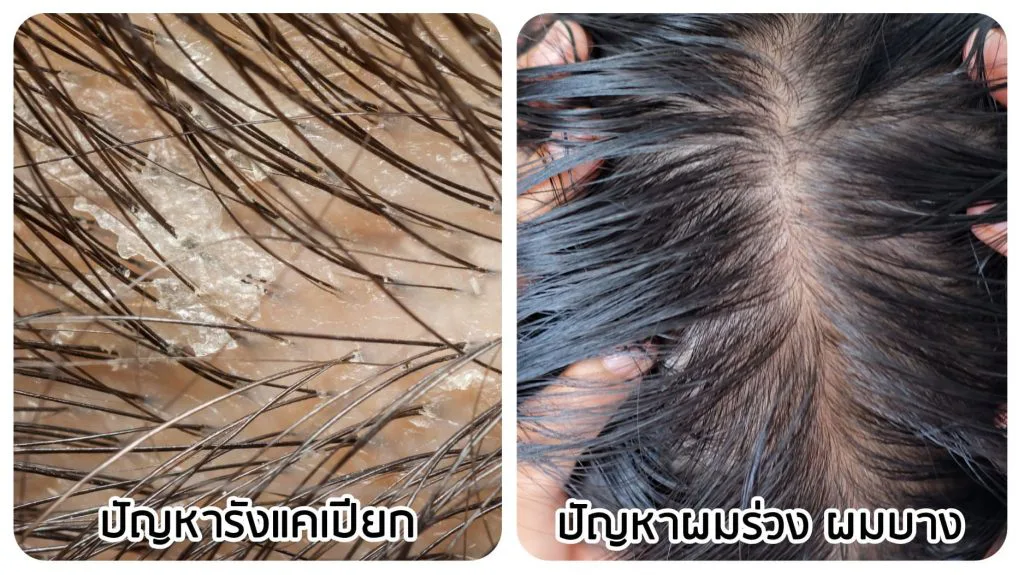
Many people mistakenly think oily hair is just about the grease, but in reality it is linked to other serious problems, including:
1. Dandruff (especially waxy/wet dandruff)
An excessively oily scalp is a paradise for fungi and yeast, particularly Malassezia, which thrives on oil as its food source. When this organism multiplies, it inflames the scalp and accelerates skin cell turnover faster than normal
- Sloughed-off skin cells clump together with oil, forming wet dandruff that appears in large, sticky, itchy flakes
- If not addressed quickly, a cycle develops: oily → more fungi → inflammation → flaking → itching → scratching → further inflammation
2. Hair fall and thinning problems
Most people with oily hair also experience hair fall, because excess oil on the scalp can mix with sweat, dirt, and dead skin cells, causing blockages around hair follicles that weaken the hair roots and make strands fall out more easily. In addition, an excessively oily scalp is an environment where certain microorganisms thrive, causing irritation or chronic inflammation around hair roots, which may disrupt the hair growth cycle and cause strands to enter the shedding phase faster than normal — which is why oily hair often comes hand in hand with hair fall more often than people realize
How to properly care for oily hair
- Wash hair the right way: Wash consistently but do not scrub hard — use fingertips to gently massage to stimulate blood circulation instead
- Be careful with conditioner: Apply conditioner only to the mid-lengths to ends of hair. Avoid the roots
- Blow dry completely: Do not leave hair damp, as trapped moisture will make hair oilier faster than before
- Adjust lifestyle habits: Reduce fried foods, oily foods, and high-sugar foods, and avoid scratching the scalp hard, as this further stimulates the sebaceous glands
How to choose a shampoo for oily hair
Shampoo is the most important first line of defense. Choosing the wrong one can make hair even oilier or overly dry
- Claims to look for: Oil Control, Scalp Balance, or Clarifying
- Recommended ingredients:
- Tea Tree, Zinc PCA, Niacinamide: Helps control oiliness
- Salicylic Acid: Helps gently exfoliate skin cells, reducing clogging
- Things to avoid: Shampoos with heavy silicones, concentrated oils, or overly moisturizing formulas, and shampoos with harsh cleansing agents such as Sulfates
Why does a shampoo that makes hair feel very clean cause hair to get oily faster than before?
Shampoos with strong cleansing agents or those containing Sulfates that leave hair and scalp feeling so clean they become stripped and overly tight — these are another cause of faster oil buildup. When natural oils are washed away excessively, the scalp receives a signal that it is "dry" and instructs the sebaceous glands to produce more oil to compensate. The result: right after washing, the hair feels very clean, but within a few hours it becomes oilier than before — forming a cycle: the cleaner the wash, the oilier the hair becomes
Furthermore, harsh cleansing agents can also disrupt the Skin Barrier on the scalp, causing irritation, itching, or inflammation — which further stimulates sebaceous gland activity. Therefore, people with oily hair should choose shampoos that control oiliness without causing excessive dryness — such as those using gentle cleansing agents combined with scalp-balancing ingredients. This provides more sustainable oil reduction than using extreme clarifying formulas
The easiest way to choose a shampoo with gentle cleansing agents is to choose one that contains no Sulfate-type cleansing agents, such as Sodium Lauryl Sulfate (SLS), Sodium Laureth Sulfate (SLES), Ammonium Lauryl Sulfate (ALS), and Ammonium Laureth Sulfate (ALES)
Recommended shampoo for oily hair
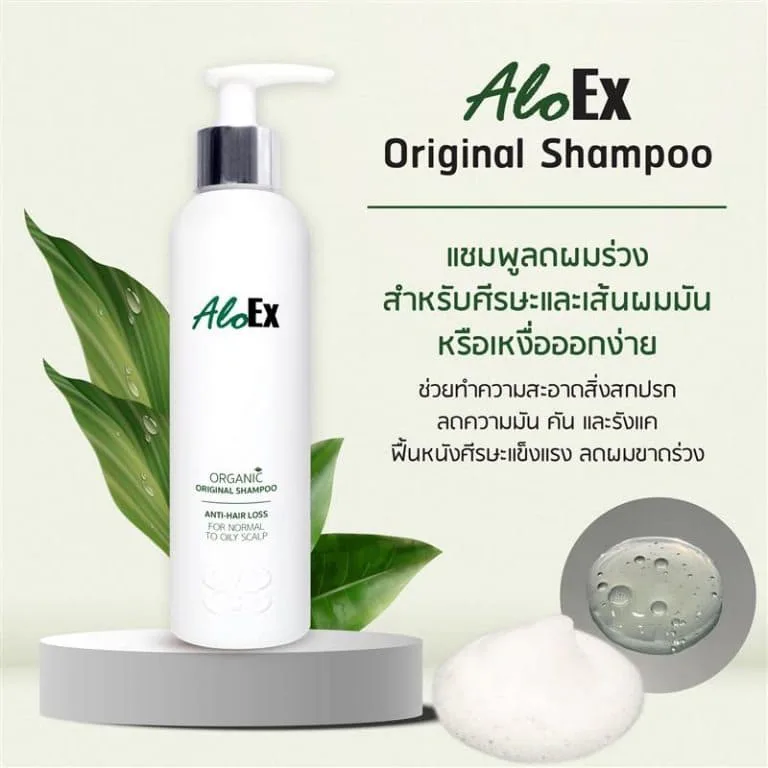
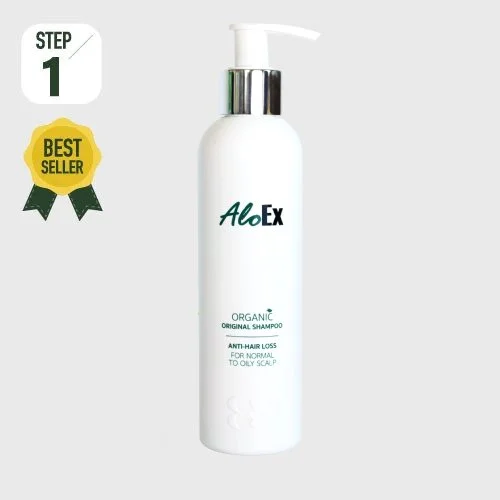
AloEx Original Shampoo is a formula designed for people with oily hair, oily scalp, those prone to sweating, or those who sweat heavily. If you are looking for a shampoo for oily hair, this formula is the one to try
Cleans dirt and oiliness – The Original formula is specially designed for highly oily scalps. It thoroughly cleanses sweat, excess oil, and product buildup deeply, completely free of all Sulfates, leaving the scalp clean and refreshed from the very first wash
Restores scalp balance to prevent excessive oiliness – With aloe vera extract that helps balance moisture without over-drying the scalp, and helps reduce excess oil that causes hair to go flat during the day. Kaffir Lime and Rang Chuet (Thunbergia laurifolia) extracts are outstanding for controlling excess oil, while Gotu Kola, Indian Gooseberry (Amla), Rice Bran, and Sabah Snake Grass (Clinacanthus) have scalp-soothing and anti-inflammatory properties that help keep the scalp balanced
Reduces causes of dandruff and musty odor – This formula contains herbal ingredients that help reduce fungi and bacteria on the scalp, such as Sabah Snake Grass (Clinacanthus), Henna, and Kaffir Lime. This reduces the likelihood of dandruff, itching, or musty odor, which are common issues in people with oily hair
Free from multiple irritants – Contains no Sulfate cleansing agents of any kind, no Silicone, and is free of Paraben, Alcohol, and fragrances that often clog or irritate the scalp — making this formula gentle and particularly suitable for oily scalp conditions
Summary: The best shampoo for oily hair is one that cleans well but does not make the scalp overly dry and tight, in order to maintain balance and prevent the scalp from overproducing oil again. Knowing your own hair type — whether oily, dry, or combination — will help you choose the most targeted product