




Genetic hair loss is the leading cause of thinning and baldness in both men and women, driven by DHT's effect on the follicle. One common medical treatment is Finasteride.
What is genetic hair loss?
Genetic hair loss, or androgenetic alopecia, is an inherited form of hair loss combined with the effect of sex hormones — especially dihydrotestosterone (DHT). DHT gradually shrinks follicles, shortens the hair cycle, and produces progressively thinner regrowth until follicles close entirely, leaving visible scalp.
Can genetic hair loss be prevented?
What does genetic hair loss look like?
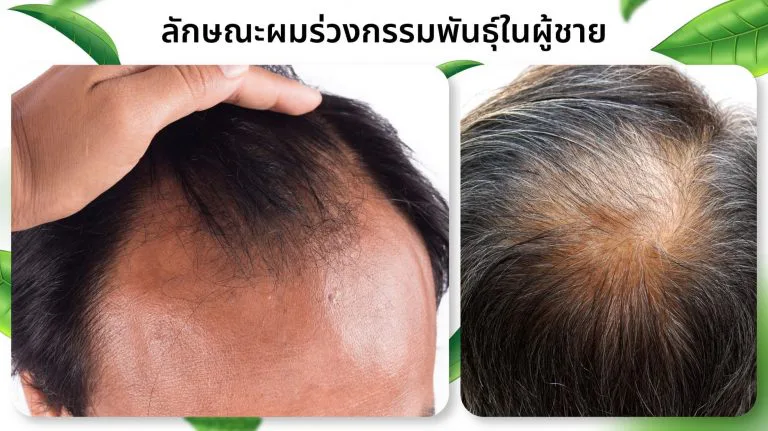
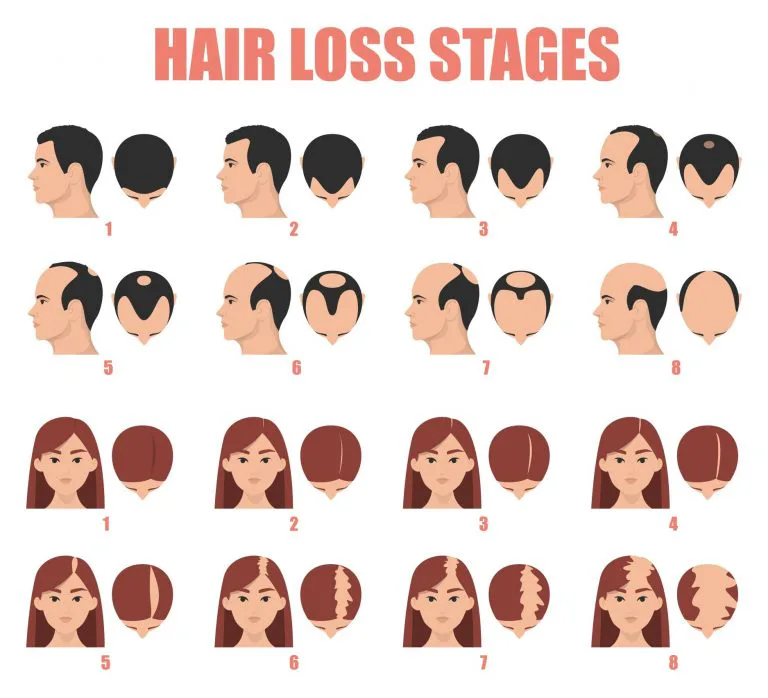
Pattern of genetic hair loss in men
- M-shaped recession at the hairline
- Thinning at the crown
- In severe stages, only the sides and back of the head remain
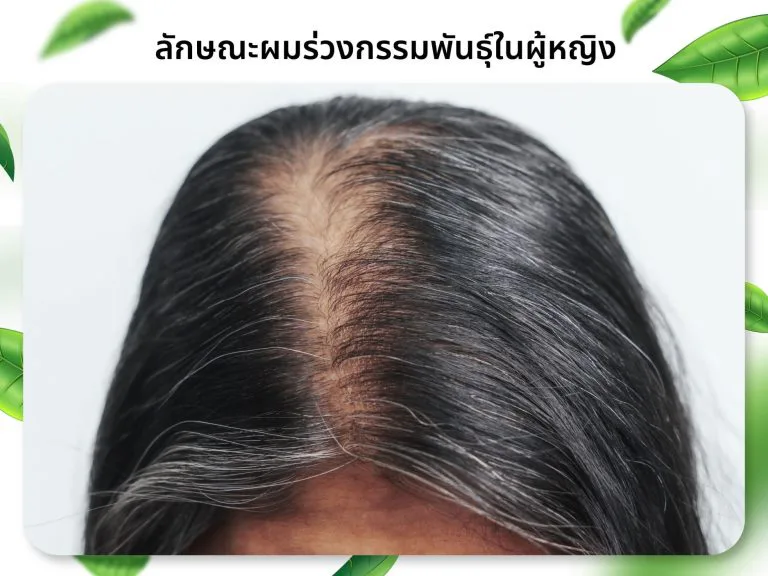
Pattern of genetic hair loss in women
- A wide thin patch along the central part
- Overall thinning but rarely full bald patches
- Usually becomes noticeable after age 30
Modern medical treatments for genetic hair loss
Modern medical care focuses on suppressing DHT and extending follicle lifespan with two main drugs:
1) Finasteride
directly suppresses DHT production. It's the main drug for genetic hair loss in men and helps reduce genetic shedding.
Finasteride is currently available in two forms: oral (Oral Finasteride) and topical (Topical Finasteride). The oral form is used only in men — pregnant women or those who suspect they may be pregnant must not handle this medication, and a doctor should be consulted before stopping the medication. The topical form is suitable for those with mild to moderate hereditary hair loss; it is applied by gently massaging into the scalp without rinsing, once per day. Avoid shampooing for at least 4–6 hours after application. Results will begin to show with continuous use over 3–6 months.2) Minoxidil
stimulates blood flow and extends the growth phase. Suitable for both men and women, it doesn't reduce genetic shedding directly — instead it thickens hair and stimulates new growth.
What is Finasteride, and why does it reduce genetic hair loss?
Finasteride belongs to the 5α-reductase inhibitor class. It blocks the 5α-reductase enzyme that converts testosterone into DHT — the hormone that shrinks follicles. With less DHT, follicles aren't damaged and stay healthy longer, so hair fall is reduced.
How to use: 1 mg per day. To treat hair loss, take continuously for at least 3–6 months before results appear. If you stop, DHT rises again and hair fall can return within 3–6 months.
Finasteride reduces genetic hair fall and preserves existing hair, but does not regrow hair that has already been lost.
Who is Finasteride best for?
- It suits men with hair fall, thinning at the crown, or a receding M-shaped hairline — classic signs of male-pattern genetic hair loss.
- For those who want to slow hereditary hair loss more than stimulate new hair growth — because Finasteride helps reduce hair fall but does not help hair regrow.
- For those who can use the medication continuously — because Finasteride must be used continuously to see results in reducing hereditary hair loss.
Can women use Finasteride?
Women can use Finasteride in some cases, but Finasteride is not the standard first-line treatment option for hair loss in women — because results are not clearly established, and hair loss in women has many more causes than just hereditary hair loss. The standard medication that doctors currently tend to prescribe for female patients with hair loss is Minoxidil.
Doctors will recommend that women use Finasteride for treatment only when other treatment methods have not been effective, or when hereditary hair loss is clearly evident — and it must be under medical supervision in all cases. Women who are absolutely prohibited from using Finasteride — whether oral or topical — include pregnant women or those with a chance of becoming pregnant, and women who are breastfeeding.
Side effects of Finasteride for hereditary hair loss
Although Finasteride is highly effective, it may cause side effects in some people — particularly hormonal side effects, including:
- Reduced sexual desire
- Reduced sexual performance
- Decreased semen volume
- Mood swings or depression
These symptoms are often found in some users of Finasteride and usually improve when the medication is stopped. However, Finasteride should be used under medical advice and avoided in pregnant women or those planning to become pregnant.
Why does the hereditary hair loss medication Finasteride reduce sexual performance?
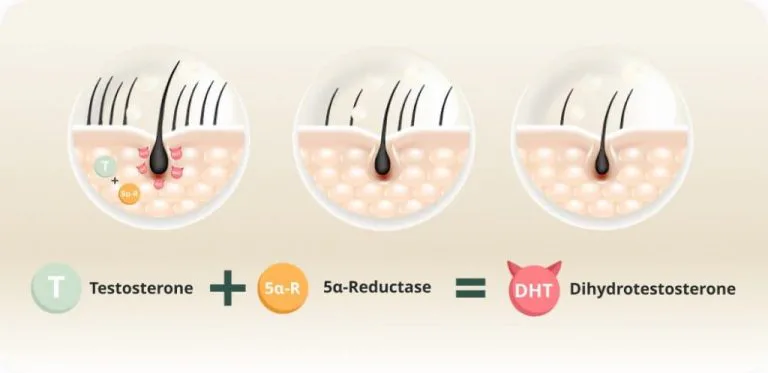
Finasteride reduces hereditary hair loss by inhibiting the enzyme 5-alpha reductase, which converts the hormone Testosterone → DHT (Dihydrotestosterone). Although DHT is the main culprit behind hereditary hair loss, DHT also plays a role in the reproductive system and male sexual function — DHT is involved in sexual desire, erection, and prostate function.
Lowering DHT levels with a drug like Finasteride can therefore help slow hereditary hair loss. However, when DHT is suppressed to a low level in some patients with hereditary hair loss problems — in addition to hair fall stopping, sexual performance also decreases. This is why it is necessary to carefully consider using this medication under medical advice.
If I stop Finasteride, will hair loss return?
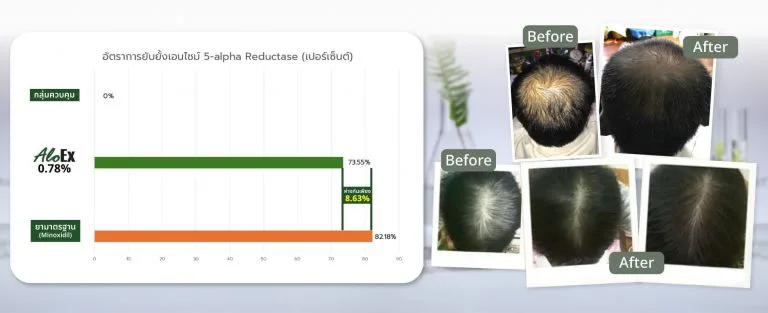
AloEx extracts with test results benchmarked against Finasteride
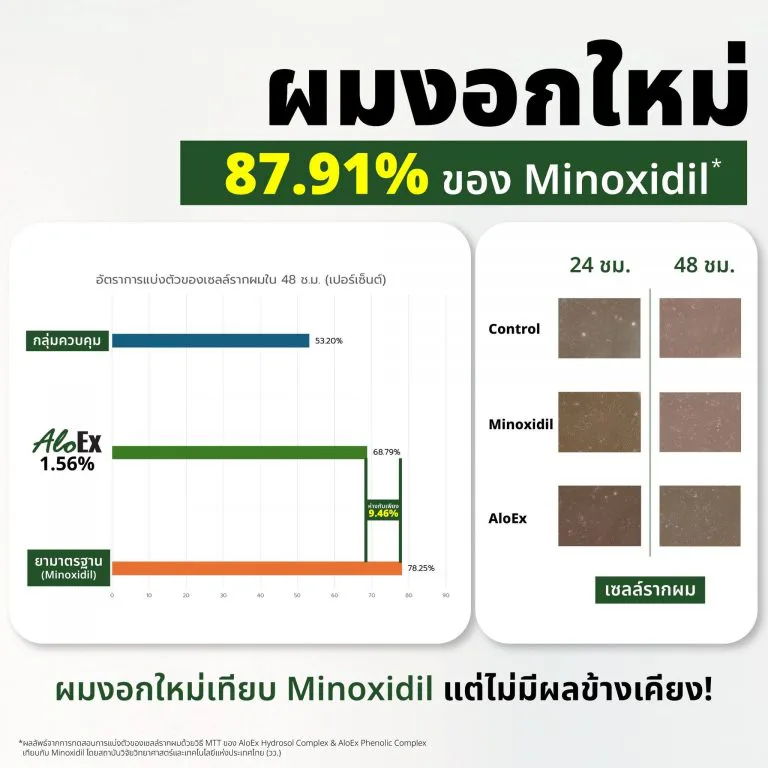
Other natural extracts for reducing hereditary hair loss as alternatives to Finasteride
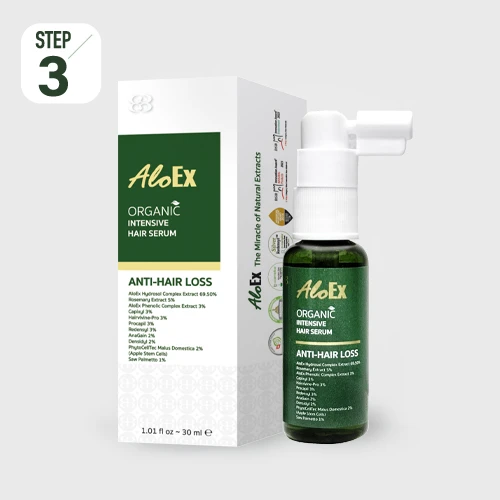
In addition to the natural extracts prepared using the proprietary method of the AloEx brand, there are also other natural extracts used as ingredients in hair loss products on the market. AloEx also uses other extracts to supplement the anti-hereditary-hair-loss function in AloEx products — such as Saw Palmetto, Procapil™, and Capixyl™.
Other natural extracts commonly used in hair loss products currently on the market
- Saw Palmetto – Inhibits the enzyme 5-alpha reductase, preventing the conversion of Testosterone to DHT.
- Procapil™ – Contains Oleanolic Acid that helps inhibit the enzyme 5-alpha reductase.
- Capixyl™ – Rich in Biochanin A, which acts as a DHT Blocker.
- EGCG from green tea – reduces the activity of the enzyme 5-alpha reductase.
- Caffeine – helps reduce the impact of DHT on hair roots.
- Baicapil™ – helps reduce the impact of DHT on hair roots.
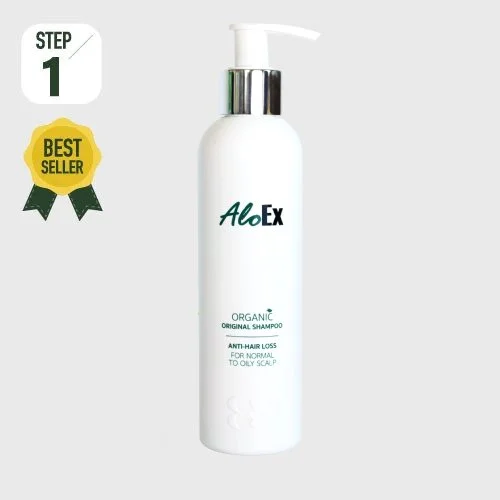
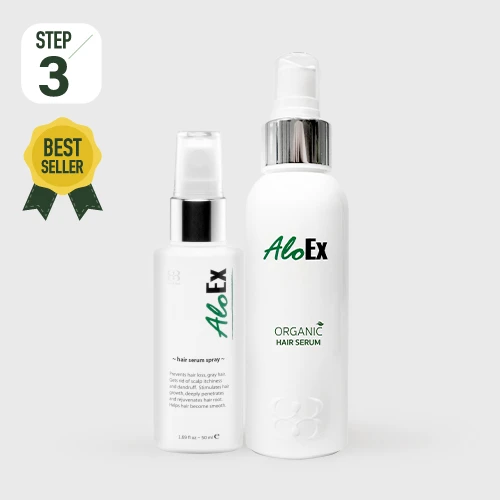
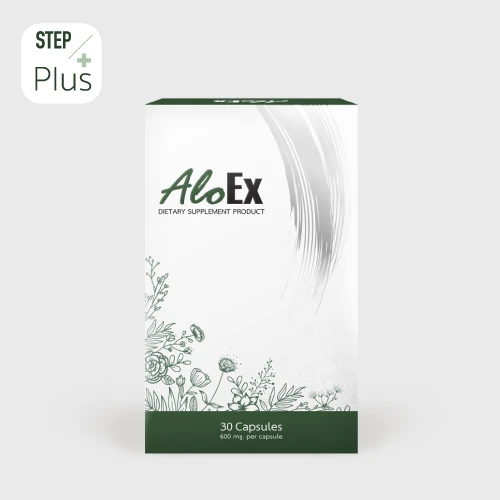
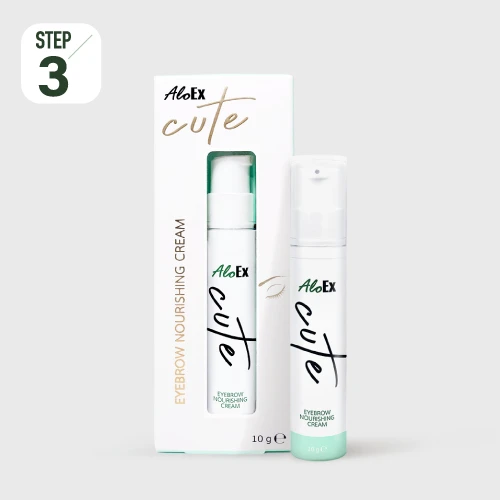
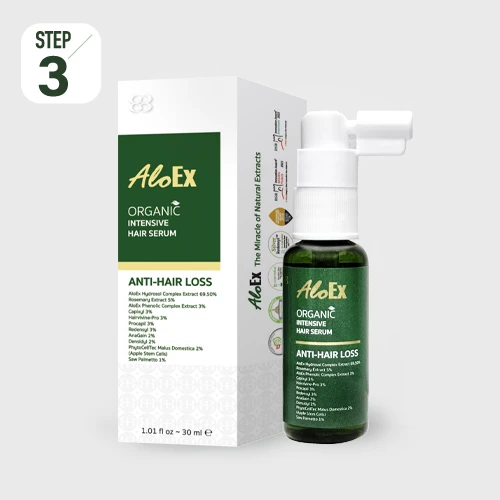
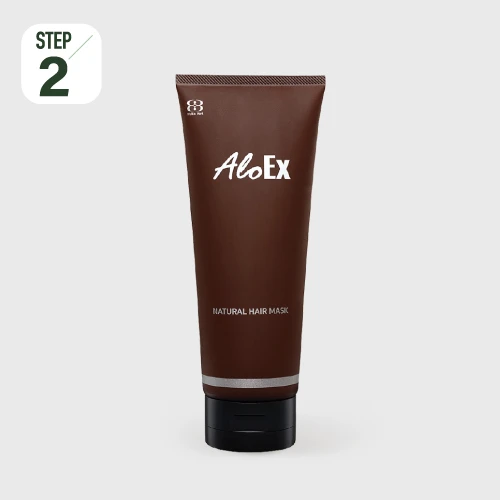
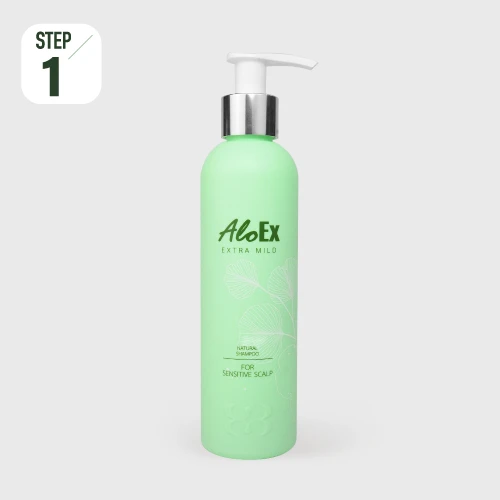
Shop AloEx products as an alternative to Finasteride.



References
Irwig, M. S. (2011). Persistent sexual side effects of finasteride for male pattern hair loss. Journal of Sexual Medicine. https://pubmed.ncbi.nlm.nih.gov/21418145/
StatPearls Publishing. “Finasteride.” StatPearls, 2024. https://doi.org/10.1016/j.supflu.2011.07.017
Food and Drug Administration (FDA Thailand). "FDA Reminds Patients Before Using Finasteride: Sexual and Psychiatric Side Effects." HFocus. https://www.hfocus.org/content/2018/09/16278
Faculty of Medicine Siriraj Hospital, Mahidol University. Finasteride Drug Information Leaflet: Precautions and Side Effects. https://www.si.mahidol.ac.th/th/division/hph/admin/download_files/154_49_183Oc2Q.pdf